A biography between worlds.
Leadership, fundraising, Chinese thought, Aikido and embodied perception.
Experience and experiential spaces
I draw on a broad background of experience.
On the one hand, it is rooted in many years of working with leaders, boards, entrepreneurs and decision-makers in science, education, philanthropy and civil society.
On the other hand, it is grounded in contemplative sources and experiential spaces: Chinese philosophy, Chinese calligraphy and work with malleable materials such as clay or loam.
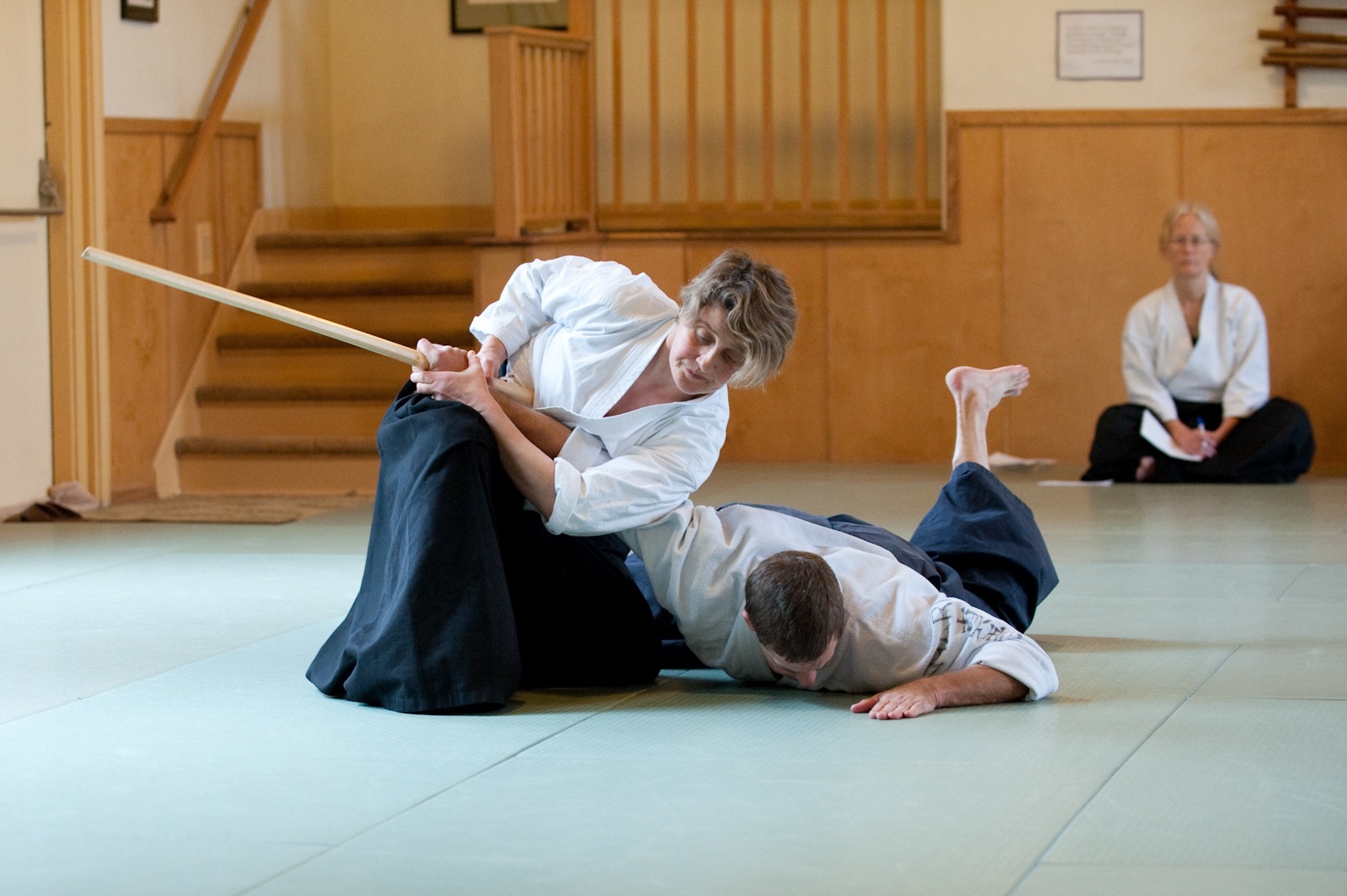
More than 30 years of Aikido practice — today I hold the rank of 4th Dan — form an essential experiential space in my work. Aikido has trained me to take different perspectives under pressure, perceive dynamics early and distinguish what matters from what does not.
I deepened my Aikido practice through training at the Strozzi Institute in California, where I was trained as a Somatic Coach, with a particular focus on embodied perception, presence and the ability to act under pressure.
Stations
I studied Sinology, lived in Shanghai for two years and still speak Mandarin.
I spent fourteen years in California, working at a private school and at the University of California Santa Cruz. After returning to Germany, I worked at the European Molecular Biology Laboratory.
Today I am a partner at Brakeley, an international fundraising consultancy, and work closely with leaders and governing bodies of large and small organisations.
I do not primarily understand fundraising as a question of resources. For me, it is a leadership question that has occupied me for many years.
In 2021, I published the book Mit Haltung zum Wandel. Plädoyer für eine authentische Kultur der Unternehmensführung (ISBN 978-3-96238-375-5). An English edition is forthcoming.
Available from Amazon.
Impact emerges where orientation, responsibility and shared action come together.
The question that accompanies me
How does judgment emerge under uncertainty?
How do people maintain perspective when many things happen at once? How do they take responsibility when certainty is absent? How does a decision become an action others can follow?
I use impulses from Chinese natural philosophy — especially philosophical Daoism — not as doctrine, but as a framework for thinking about change, timing and appropriateness.
Aikido has taught me not to meet pressure with counter-pressure, but to perceive the situation differently.
Calligraphy and work with clay continue this experience in another way: calligraphy lets an image one sees pass through one’s own body and take form again; clay and loam reawaken the sense for the organic and the natural.
If you recognise yourself here, I would be glad to have a conversation.
Get in touch